日本語情報
基本情報
氏名
西田 武弘氏名よみがな(教員一覧並び順決定時のみ利用)
にしだたけひろ職階
教授学位
博士(農学)資格
学歴・職歴
昭和58年 岡山県立倉敷青陵高等学校卒業昭和58年 京都大学大学農学部畜産学科入学
昭和63年 京都大学大学農学部畜産学科卒業
昭和63年 農林水産省畜産試験場企画連絡室研究員
昭和63年 農林水産省畜産試験場栄養部栄養第一研究室研究員
平成9年 農林水産省草地試験場 飼料生産利用部乳牛飼養研究室研究員
平成11年 科学技術庁長期在外研究員(アメリカ・コーネル大学)(兼任,1年間)
平成13年 独立行政法人農業技術研究機構 畜産草地研究所 家畜生産管理部乳牛飼養研究室主任研究員
平成16年 国立大学法人東京農工大学および宇都宮大学客員教授(兼任,平成17年3月まで)
平成17年 独立行政法人国際農林水産業研究センター畜産草地領域主任研究員
平成20年 国立大学法人 帯広畜産大学 畜産衛生学研究部門 准教授
平成30年 国立大学法人 帯広畜産大学 生命・食料科学研究部門 教授
現在に至る
自己紹介
出身は岡山県倉敷市です。大学時代は京都で過ごし,農林水産省の研究機関に就職後は,茨城県のつくば市に住んでいました。その後,栃木県那須塩原市に転勤になり,その後1年間アメリカのコーネル大学に留学しました。再びつくばの国際農林水産業研究センターに転勤になり,タイ王国に3年間派遣されました。2008年に帯広畜産大学に着任しました。
元水泳部で,平泳ぎと水球をやっていました。今はジムで筋トレとトレッドミルで歩いています。ラグビー,野球,日本の2時間ドラマ,アメリカの刑事物の鑑賞をしています。健康に関する記事やテレビ番組も気になる年頃です。お酒は飲めませんが,宴会の雰囲気は好きです。
写真1
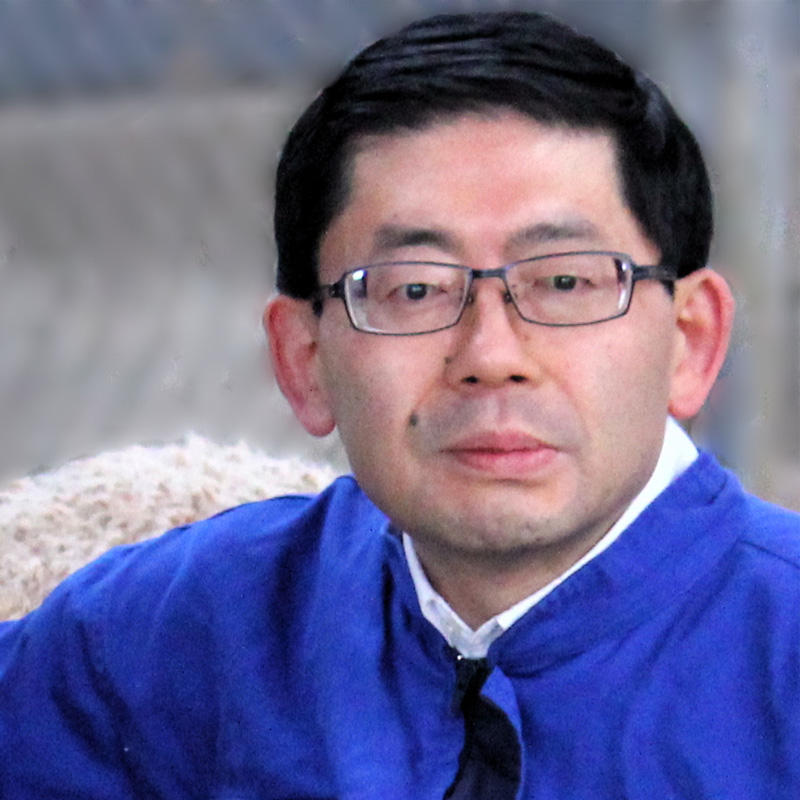
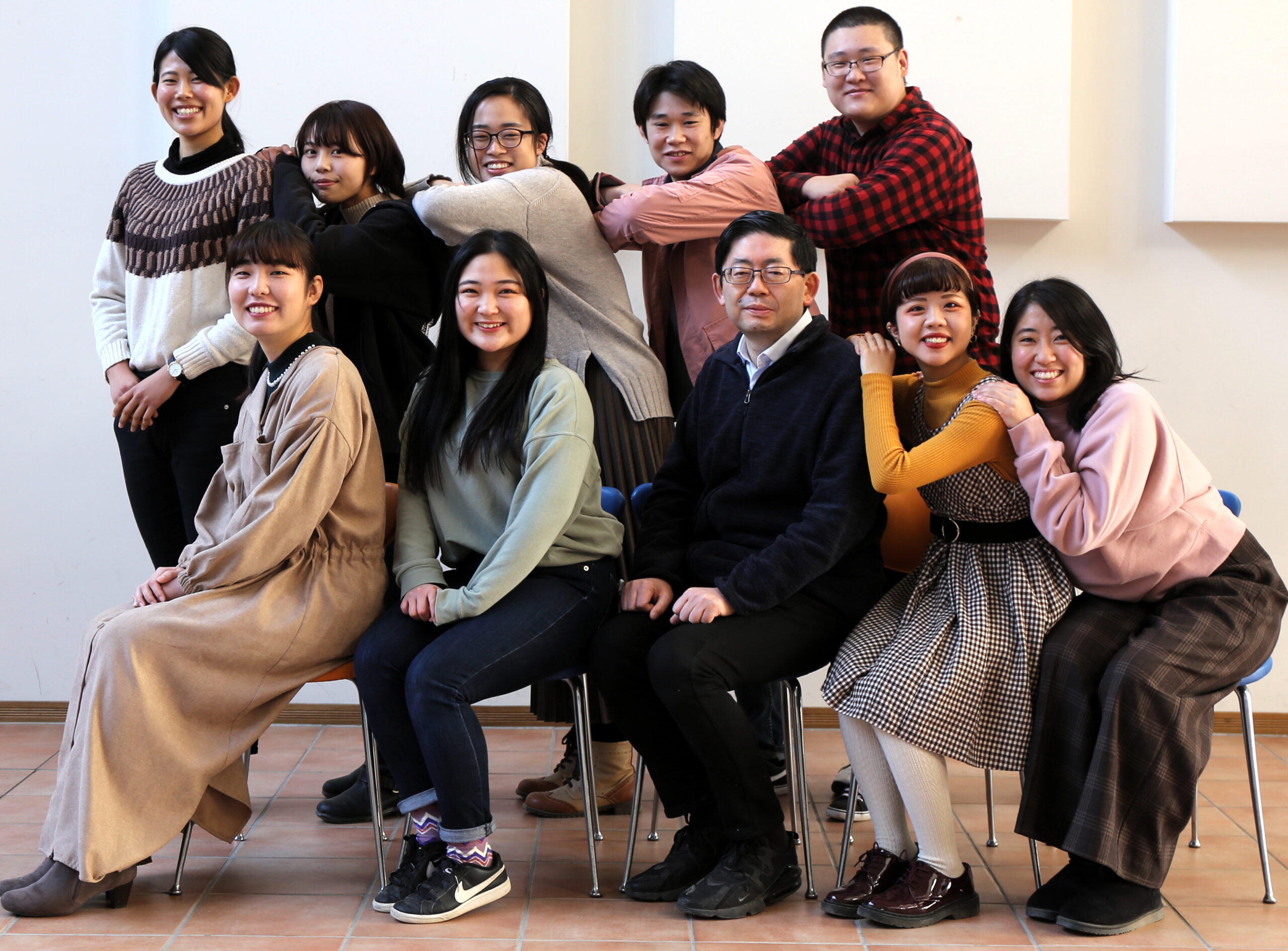
写真2
備考
連絡先
電話番号
0155-49-5455FAX番号
0155-49-5455メールアドレス
nishtake@obihiro.ac.jp居室
居室のある建物
総合研究棟1号館部屋番号
2-E2206号室部屋番号をウェブサイトに掲載希望
はい学部(ユニット)
所属ユニット
家畜生産科学ユニット大学院(専攻・コース)
所属専攻・コース(その1)
畜産科学専攻/家畜生産科学コース所属専攻・コース(その2)
畜産科学専攻博士後期課程所属・担当
所属
研究域/生命・食料科学研究部門/家畜生産科学分野/生産管理学系リンク
研究室(名称)
西田武弘研究室研究室(ウェブサイトURL)
https://www.facebook.com/takehiro.nishida.7Researchmap
https://researchmap.jp/TakehiroNishida研究業績・特許(J-GLOBAL)
その他のリンク(その1)
研究シーズ : https://www.obihiro.ac.jp/facility/crcenter/seeds/331その他のリンク(その2)
帯広畜産大学で自分のやりたい研究を見つけよう! : https://www.obihiro.ac.jp/find-research/category/industry研究紹介
My Dream
メタン抑制でエネルギー利用効率改善と地球温暖化防止研究テーマ
エネルギー・窒素循環に関する研究家畜発生メタンの栄養学的制御に関する研究
家畜のエネルギー代謝に関する研究
研究分野
家畜栄養学, 資源循環型畜産, 地球環境キーワード
メタン, 温室効果ガス, 地球温暖化, 未利用飼料資源, エネルギー代謝, 飼養標準, ユーグレナ(ミドリムシ), 昆虫研究紹介
ユーグレナ(ミドリムシ,Euglena gracilis)は,体長が約0.05mmという小さな微生物(藻の一種)です。動物と植物の両方の特徴を持つユーグレナは,淡水で育ち,緑色の体で植物のように光合成を行って栄養分を体内に蓄えるだけでなく,動物のように細胞を変形させて移動することもできます。動物と植物の両方の性質を備えているユーグレナは,ビタミン,ミネラル,アミノ酸,不飽和脂肪酸など,59種類の栄養素を持っています。2005年に株式会社ユーグレナは,世界初となるユーグレナの食品としての屋外大量培養に成功しました。
ユーグレナは,(1)BSE(牛海綿状脳症)の心配は無い,(2)植物としての性質,淡水で光合成によって増殖するので,高温環境である熱帯地域が培養に適している,(3)燃料を抽出した後の粕も,飼料資源として有望である,(4)(3)の場合,抽出した燃料を別途販売できるので,その絞り粕は安価になる可能性が高い,等のメリットが考えられます。
反芻家畜の第一胃(ルーメン)では,飼料の発酵分解過程においてメタンが生成されており,このメタンは高いエネルギーを持つため,飼料エネルギーの2〜12%を損失しているといわれています。さらにメタンは,二酸化炭素の約25倍の温室効果能を持つため,近年の地球温暖化に少なからず関与しています。つまり,反芻家畜のルーメンメタン生成を抑制することは,反芻家畜の飼料利用効率の改善と地球温暖化の緩和に貢献するといえます。
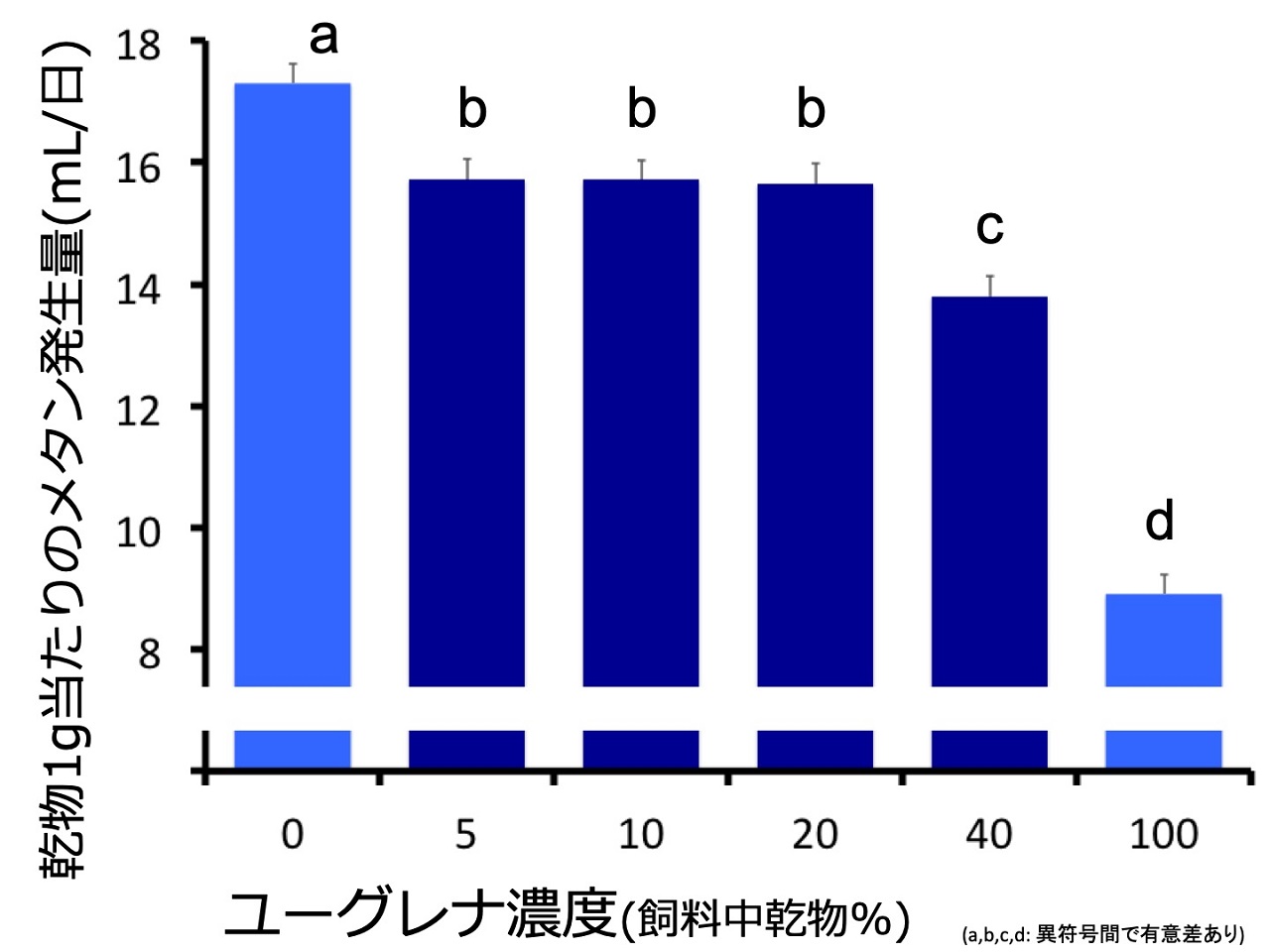
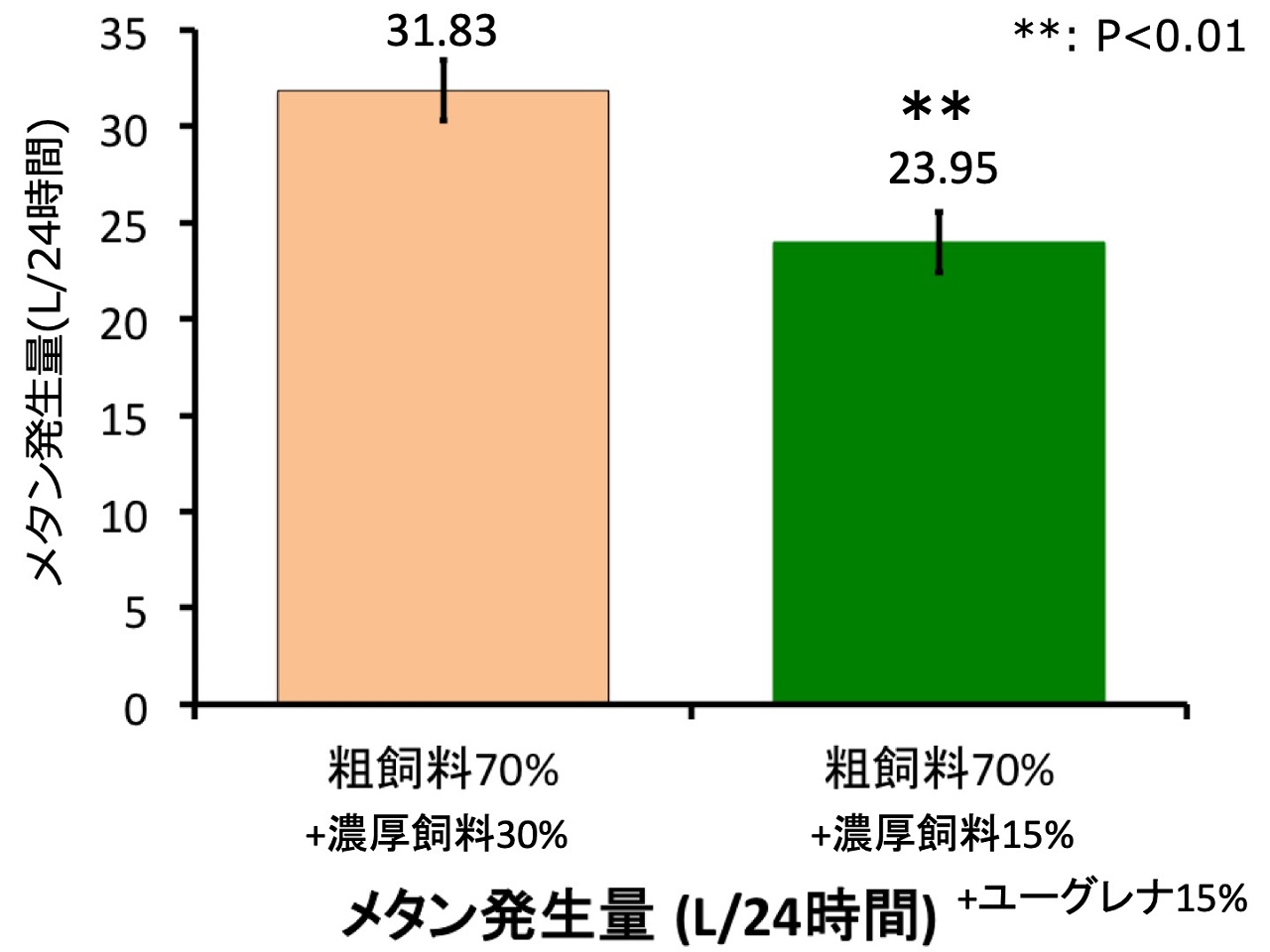
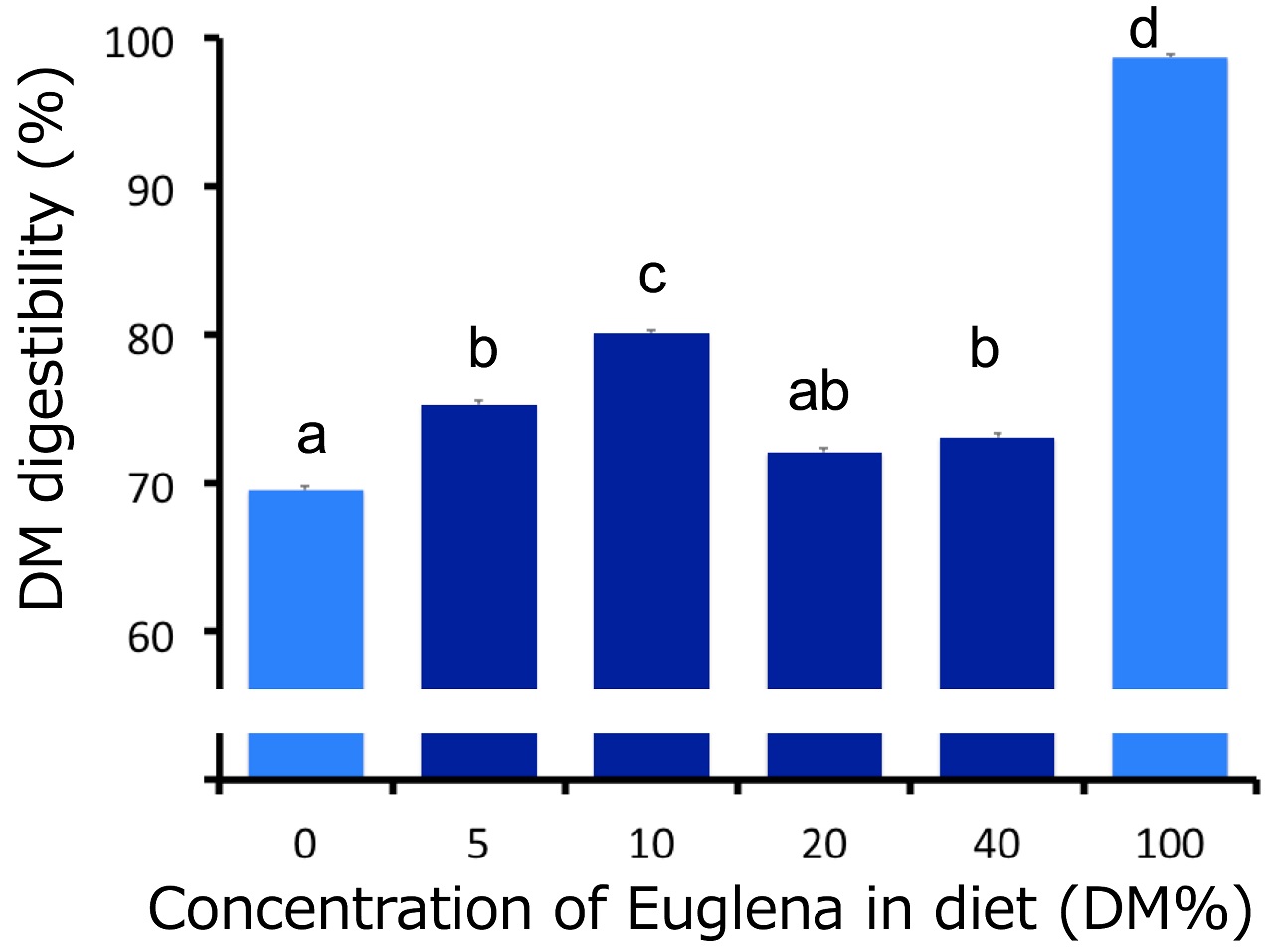
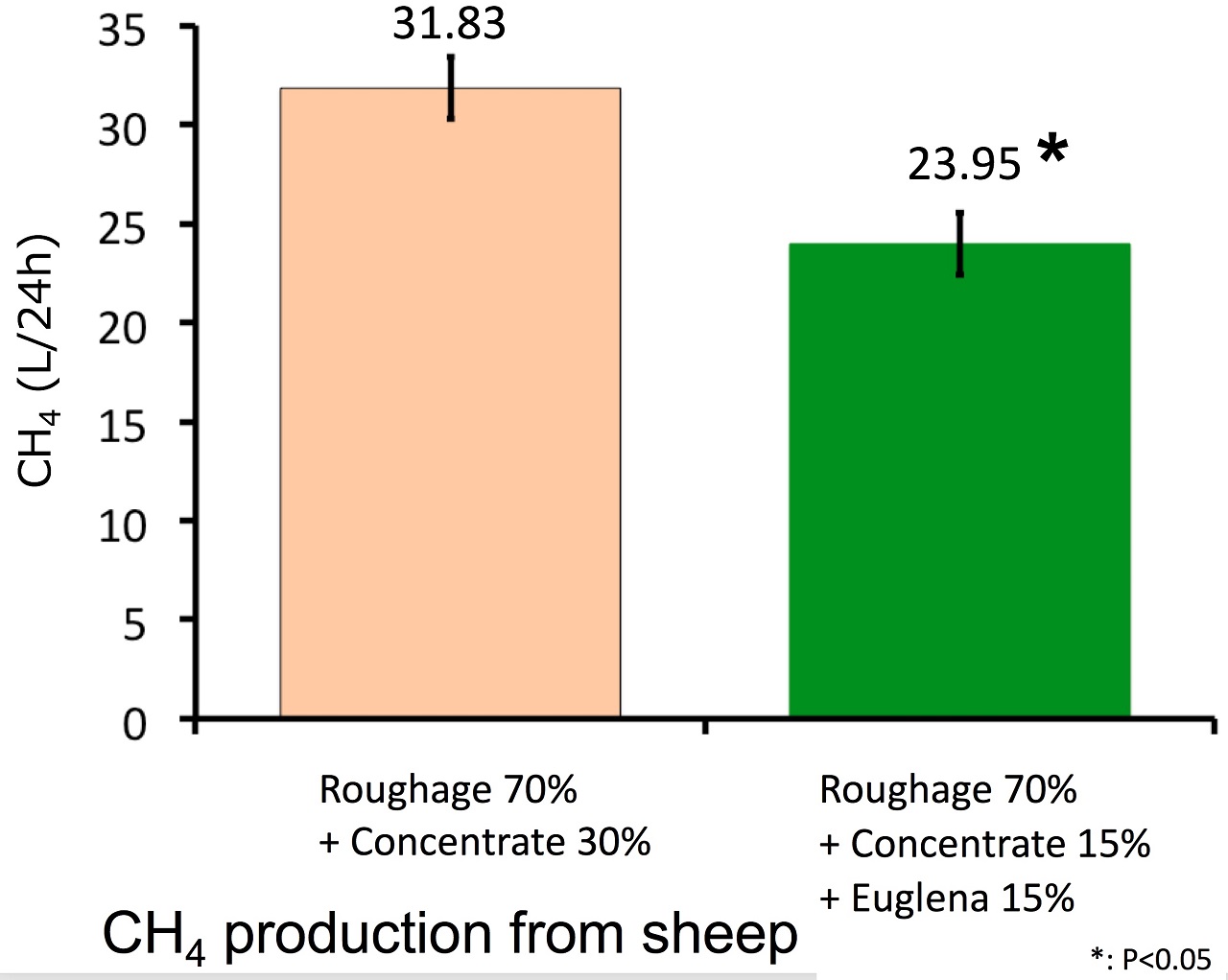
そこでまず培養試験でユーグレナ給与量とメタン抑制効果について,種々の投与量で検討を行いました(図1)。この結果から,メタン生成抑制効果は5%添加から観察され,40%以上でより大きくなることが確認されました。さらに,ヒツジの飼料中乾物当たり15%の濃厚飼料とユーグレナを置換しますと,無添加区と比べて添加区では有意にメタン発生量は低下しました(図2)。
ユーグレナの飼料化によって反芻家畜からのメタン抑制が可能となれば,新たな温室効果ガスの削減手法として世界に貢献できます。また,高温環境である熱帯地域の方が培養に適しているという点から,東南アジアやアフリカにおける普及が有望です。将来,海外現地に実験プラントを構築し,燃料資源,飼料資源,反芻家畜からのメタン抑制剤としての実用・展開することは,我が国の国際協力に資するものと考えます。
研究紹介画像(その1)
研究紹介画像(その2)
【改良後】現在取り組んでいる研究テーマ一覧
- 昆虫の飼料化
- ユーグレナ(ミドリムシ)抽出油脂とフマル酸給与がヒツジの飼料利用効率およ びメタン発生量に及ぼす影響
- ユーグレナ(ミドリムシ)給与がウマの飼料利用効率や運動能力に及ぼす影響
- ニンニクとフラボノイド混合物(Mootral,ムートラル社,スイス)添加がヒツジの 飼料利用効率に及ぼす影響
- 木質飼料の飼料評価
- 籾(モミ)米の発芽処理が飼料価値に及ぼす影響
- ダチョウの最適な飼養管理方法
【改良前】現在取り組んでいる研究テーマ一覧
- 低脂肪含量のユーグレナ(ミドリムシ)が反芻胃からのメタンを抑制するか?
- ミールワームの飼料化
- 乳酸菌複合製剤投与がヒツジの飼料利用効率に及ぼす影響
- ユーグレナ(ミドリムシ)抽出油脂とフマル酸給与がヒツジの飼料利用効率に及ぼす影響
- ユーグレナ(ミドリムシ)抽出油脂給与がヒツジの飼料利用効率に及ぼす影響
- キノコ廃菌床の飼料評価
- 玄米の発芽処理が飼料価値に及ぼす影響
- 黒麹発酵飼料の栄養価評価
関連産業分野
畜産, 環境科学所属学会
日本畜産学会, 北海道畜産草地学会, 栄養生理研究会, ルーメン研究会, 肉用牛研究会Editor
Editorial Board
プロジェクト
学部生向け
卒業研究として指導可能なテーマ
- 未利用資源の飼料化
- 反芻家畜消化管からのメタン抑制による地球温暖化抑制
メッセージ
平成17年から3年間は,タイ王国で,牛のエネルギー要求量と飼料の栄養価の測定を行っていました。インドシナの牛の飼養標準と飼料成分表を作成するというプロジェクトの一環です。タイ,ラオス,カンボジアの大学と協力しての仕事で,大学の先生や学生と一緒に仕事をする機会が多かったです。ラオスやカンボジアは,ベトナム戦争や内戦の影響で,特に人材が不足しています。私の専門は牛の栄養学で,最先端の技術は持っておりませんが,大学が十勝(北海道)にあるメリットを生かして,地域密着と国際協力をうまくバランスを取って仕事を行っていきたいと思います。
スペシャルコンテンツ「ぎゅ牛〜っとちくだい」
反芻家畜の特徴と地球温暖化 : https://www.obihiro.ac.jp/gyugyutto/6262
スペシャルコンテンツ「畜大人インタビュー」
英語情報
基本情報
氏名
NISHIDA Takehiro職階
Professor学位
ph.D.資格
学歴・職歴
1983 Okayama Prefectural Kurashiki Seiryo Senior High School (graduated)1983 Kyoto University (got in)
1988 Kyoto University (graduated)
1988 National Institute of Animal Industry, Ministry of Agriculture, Forestry and Fisheries (employed)
1997 National Institute of Grassland Science, Ministry of Agriculture, Forestry and Fisheries (transferred)
1999 Long‐term foreign residency research program by Science and Technology Agency (at Cornell University, NY, USA. for 1 year)
2001 Institute of Livestock and Grassland Science, Ministry of Agriculture, Forestry and Fisheries (changed organization name)
2004 Visiting professor, Tokyo University of Agriculture and Technology and Utsunomiya University (concurrently hold the post, untill Mar. 2005)
2005 Senior Researcher, Japan International Research Center for Agricultural Sciences (transferred, stayed in Thailand for 3 years)
2008 Associate Professor, Department of Animal and Food Hygiene, Obihiro University of Agriculture and Veterinary Medicine
2018 Professor, Department of Life and Food Sciences, Obihiro University of Agriculture and Veterinary Medicine
to the present
自己紹介
I'm from Kurashiki, Okayama Prefecture. After going to university in Kyoto, I joined a research institute of the Ministry of Agriculture, Forestry and Fisheries and started living in Tsukuba, Ibaraki Prefecture. Then, I was transferred to Nasushiobara, Tochigi Prefecture, and studied for a year abroad at Cornell University in the U.S.A. I returned to the Japan International Research Center for Agricultural Sciences in Tsukuba and was dispatched to Thailand for three years. I joined Obihiro University of Agriculture and Veterinary Medicine in 2008.
I belonged to a swimming club in my school days and mainly practiced breaststroke and water polo. Recently, I've been practicing calisthenics and training on the treadmill at a gym. I like watching rugby, baseball, Japanese two-hour dramas and American detective dramas. I'm coming to an age where I appreciate reading articles and watching TV programs on health. I don't drink, but I do enjoy a good party.
備考
居室
居室のある建物
General Research Building 1部屋番号
2-E2206部屋番号をウェブサイトに掲載希望
Yes学部(ユニット)
所属ユニット
Animal Production Program大学院(専攻・コース)
所属専攻・コース(その1)
Doctoral and Master's Program of Animal Science and Agriculture/Animal Production Science所属専攻・コース(その2)
畜産科学専攻博士後期課程所属・担当
所属
Research Department/Department of Life and Food Sciences/Division of Animal Production/Section of Animal Husbandryリンク
研究室(名称)
Laboratory of Takehiro Nishida研究室(ウェブサイトURL)
https://www.facebook.com/takehiro.nishida.7Researchmap
https://researchmap.jp/TakehiroNishida?lang=en研究業績・特許(J-GLOBAL)
研究紹介
My Dream
Improving energy use and stop global warming by suppressing methane from ruminants研究テーマ
Research on energy and nitrogen recycleStudy on nutritional control of enteric methane production from ruminant
Study on energy metabolism in livestock animals
研究分野
Animal Nutrition, Sustainable Animal Husbandry, Global Environment Problemsキーワード
greenhouse effect gas, global warming, unused feed resources, energy metabolism, feeding standard, Euglena gracilis, insect研究紹介
Euglenas (e.g., Euglena gracilis) are small microorganisms that are a kind of algae, and their body length is about 0.05 mm. Euglenas have characteristics of both animals and plants. They grow in fresh water, and not only do they store nutrients in their green bodies through photosynthesis like plants do, but they also move by changing the shape of their cell like some animals do. Having both animal and plant characteristics, euglenas provide 59 nutrients, including vitamins, minerals, amino acids and unsaturated fatty acids. In 2005, Euglena Co., Ltd. was the first group in the world to cultivate euglenas en masse outdoors for food.
Euglenas afford several advantages as food. (1) There’s no concern over bovine spongiform encephalopathy (BSE). (2) They have characteristics of plants, so they grow by photosynthesis in fresh water. Tropical regions, which have high-temperature environments, are ideal for their cultivation. (3) The residue that remains after fuel is extracted is promising as a feed resource. (4) Since the extracted fuel mentioned in item (3) can be sold separately, there’s a high possibility that the residue will be inexpensive.
In the rumen of ruminant livestock, methane is generated when feed decomposes by fermentation, and feed is said to lose 2 to 12% of its feed energy when that gas is generated. In addition, since methane has a greenhouse effect approximately 25 times that of carbon dioxide, methane is a contributor to the recent problem of climate change. In other words, suppressing the production of methane in the rumen of ruminant livestock can contribute to improvements in the feed utilization efficiency of ruminant livestock and could mitigate global warming.
We performed culture texts to examine the relationship between the amount of euglena supplied and the amount of methane emissions suppressed (Fig. 1). Methane production began to be suppressed at a 5% supply of euglena, and that suppression increased once a 40% supply threshold was reached. In addition, methane production in sheep was found to be significantly lower in rearing areas where sheep were given feed in which euglena replaced 15% of the concentrated dry feed than in areas where euglena were not added to the feed (Fig. 2).
If we can mitigate methane emissions from ruminant livestock by adding euglena to their feed, this will become a new greenhouse gas reduction method that will contribute to the world. The use of euglena feed is expected to spread through Southeast Asia and Africa, since tropical regions with high-temperature environments are ideal for the cultivation of euglena. In the future, we believe that our country can contribute to international cooperation by establishing an experiment plant at an overseas site and putting such a plant to practical use in suppressing methane generated by fuel resources, feed resources and ruminant livestock.
研究紹介画像(その1)
研究紹介画像(その2)
現在取り組んでいる研究テーマ一覧
- Effects of low fat Euglena (Euglena gracilis) supplemented to diet on methane emissions from sheep
- Effects of fat from Euglena (Euglena gracilis) and fumaric acid supplemented to diet on
- methane emissions from sheep
- Effects of lactic acid bacteria supplemented to diet on nutrient utilization in sheep
- Feed value of waste mushroom bed
- Nutritive value of fermented feed by Aspergillus niger
- Feed value of sprouted brown rice
- Feed value of mealworm for ruminant
関連産業分野
animal husbandry, environmental science所属学会
Japanese Society of Animal Science, Hokkaido Society of Livestock and Grassland Science, Japan Society of Animal Nutrition and Metabolism, Japan Society for Rumen Metabolism and Physiology, Society of Beef Cattle ScienceEditor
Editorial Board